Menu
Menu
The Twelve Treasures of Spain is a list chosen by listeners and viewers of two Spanish radio and TV stations. In six episodes, we will review these top choices. At the end of each part, we refer to one of the six choices we previously wrote about in this blog.
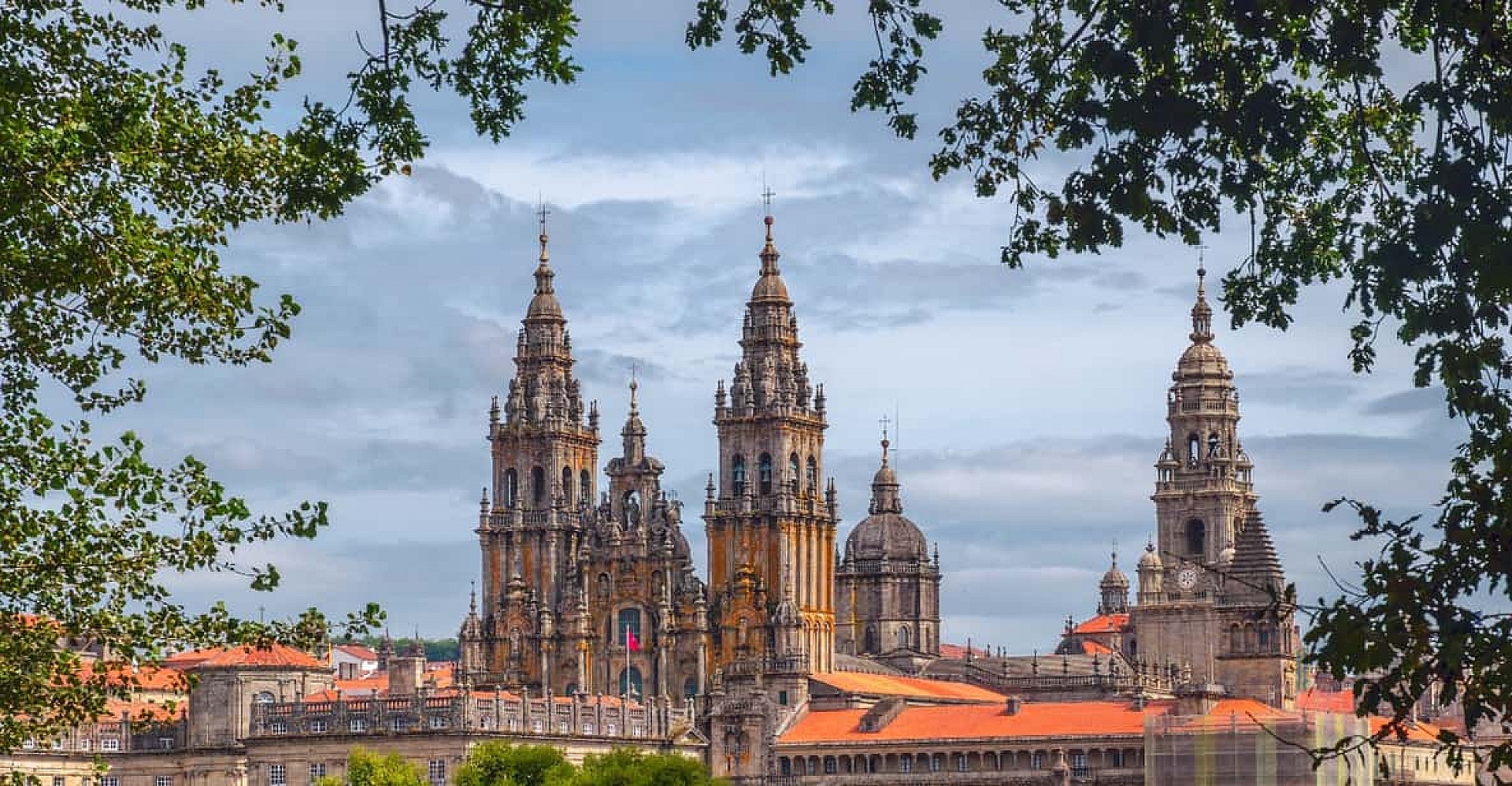
That the Cathedral of Santiago de Compostela appears on the list of the twelve most important treasures of Spain will surprise few. Chosen as number 8. But besides the undeniable splendor of the cathedral, the internationally legendary pilgrimage route to the city in Galicia may have contributed even more to that recognition. For both the cathedral and the pilgrimage, the tomb of the apostle James is the number one reason to visit Santiago de Compostela. According to legend, the beheaded body of the apostle arrived there by boat from Jerusalem. He had been killed there. On the Galician coast he was buried near Mount Libredon. On that spot, the cathedral was built on the remains of an earlier church from the year 800. Construction began in 1077. The importance of the apostle lies further in the belief that he introduced Christianity to the Iberian Peninsula.
The realization of the cathedral (97 meters long and 22 meters high) naturally took quite some time. This also explains why so many different architectural ideas can be found in the cathedral. Visitors will be surprised how all these different visions still resulted in such a magnificent final product. Experts will be able to distinguish the following styles: Romanesque, Baroque, Neoclassical, and Gothic.
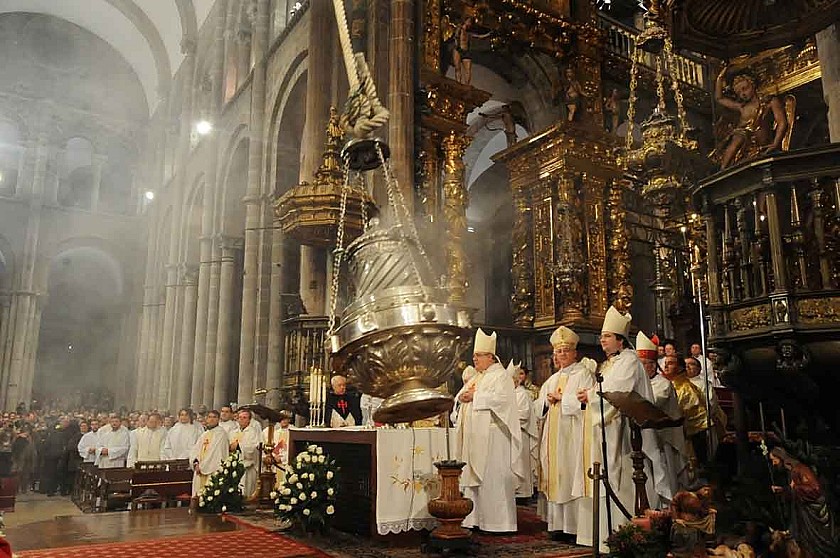
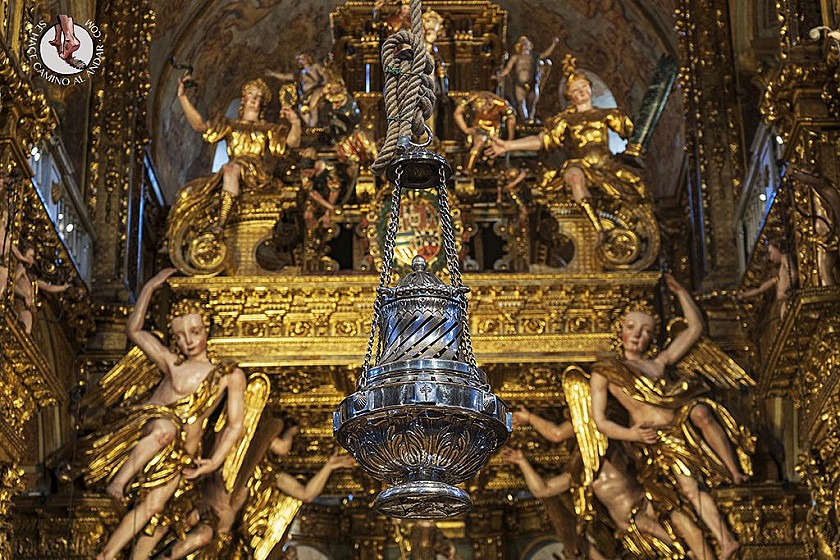
An important attraction is the Botafumeiro, the largest censer in the world. One and a half meters high and weighing 53 kilos, the gigantic censer is only used on high feast days in the religious calendar. Crowds gather to watch it being swung on huge ropes across the transept of the cathedral.
The pilgrimages to Santiago de Compostela do not follow a single route. In fact, it is a network of routes that pilgrims can take. The most popular is the so-called French Route, which is nearly 800 kilometers long. Most walkers take about a month to complete it.
The reasons for making the journey have changed considerably in recent decades. It began almost purely for religious reasons. But more and more walkers set out for the physical challenge, or as a form of spiritual reflection.
Earlier in this blog we wrote about number 10 on the list, the Sagrada Familia in Barcelona. See here.